November 19, 2026
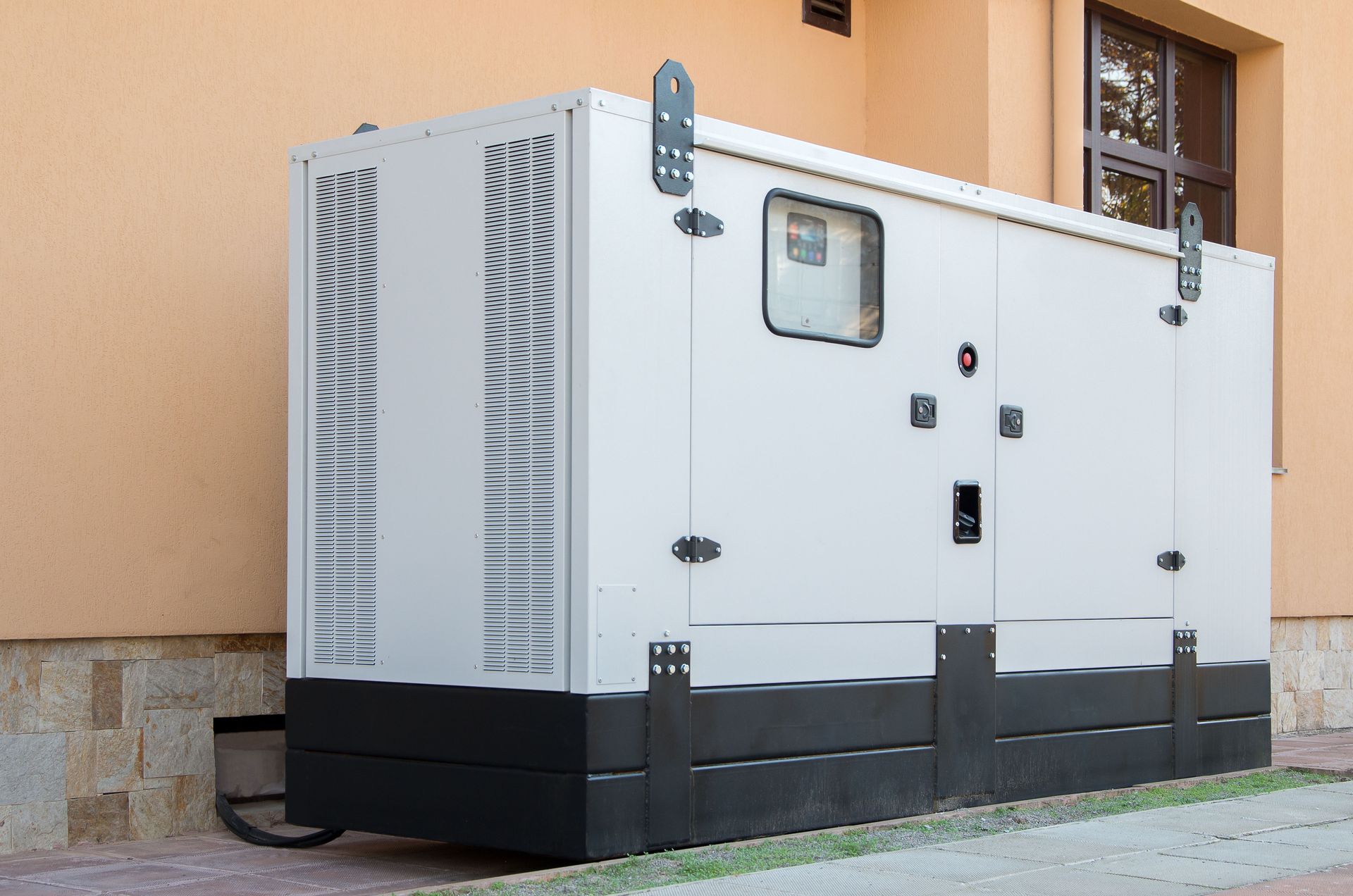
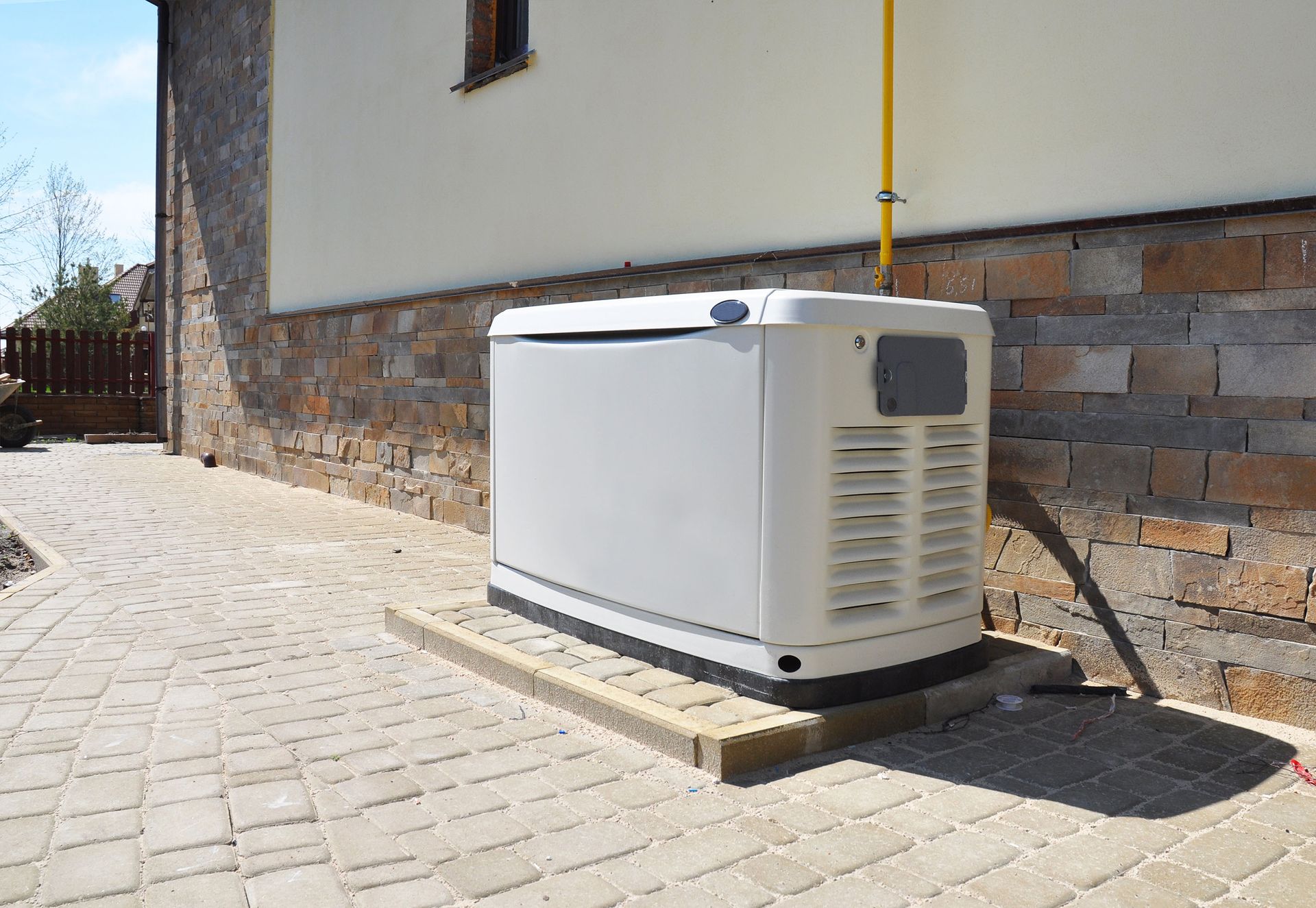
When a severe winter windstorm knocks out utility lines and plunges the neighborhood into darkness, a permanently installed standby generator feels like a lifesaver. Within seconds of losing grid power, your lights flicker back on, your refrigerator keeps humming, and a heating system continues warming the house without missing a beat. According to Zipdo, about 55% of residential generators are installed specifically for back up during power outages. Because a standby unit ties directly into your home’s main electrical panel and fuel supply, the quality of the installation matters just as much as the equipment itself.
Choosing the right contractor for a whole house generator project protects your family, keeps your manufacturer warranty intact, and ensures everything works smoothly when an emergency strikes. Hiring an inexperienced crew can lead to improperly sized units, tripped breakers, dangerous electrical back feeding, or local code violations that delay final inspection. Taking a careful look at licensing, brand certifications, load calculations, and ongoing maintenance support helps you find an electrical team you can trust for years to come.
Verifying Proper Electrical Licensing and Insurance
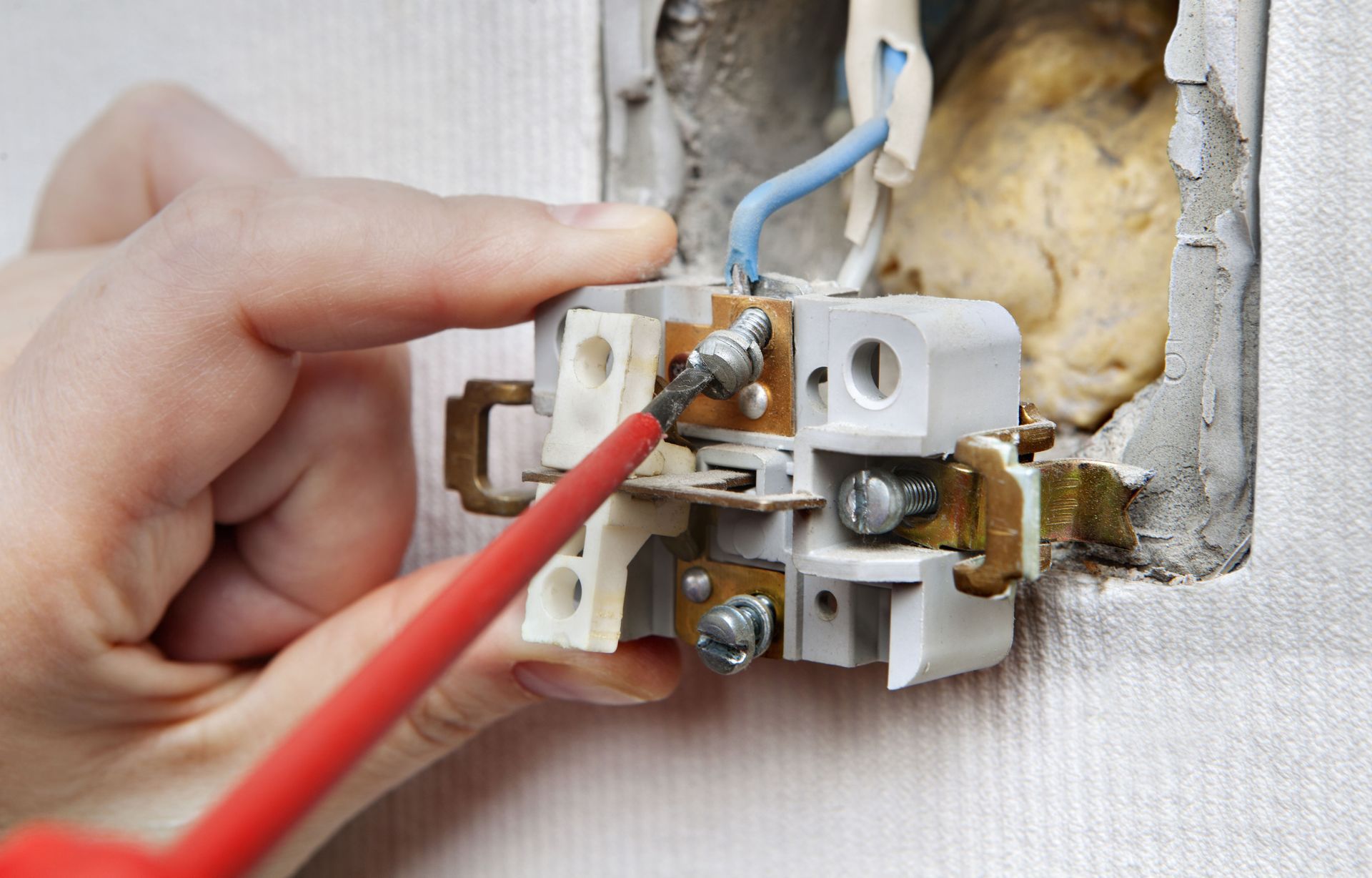
Installing a permanently wired standby power system is far more complex than plugging a portable unit into a garage outlet. It involves working inside your main breaker box, mounting an automatic transfer switch, and running heavy-gauge wiring across your property. Before inviting any contractor onto your driveway, confirm that they hold active state electrical licenses along with comprehensive general liability and workers' compensation insurance.
Working with licensed electricians on your whole house generator guarantees that every wire connection, grounding rod, and conduit run follows strict national and local electrical codes. Proper licensing protects your home from electrical fire hazards and ensures municipal inspectors sign off on the project without costly rework. Carrying active insurance also shields you from personal liability if an unexpected accident happens on your property during setup.
Checking Manufacturer Certifications and Brand Experience
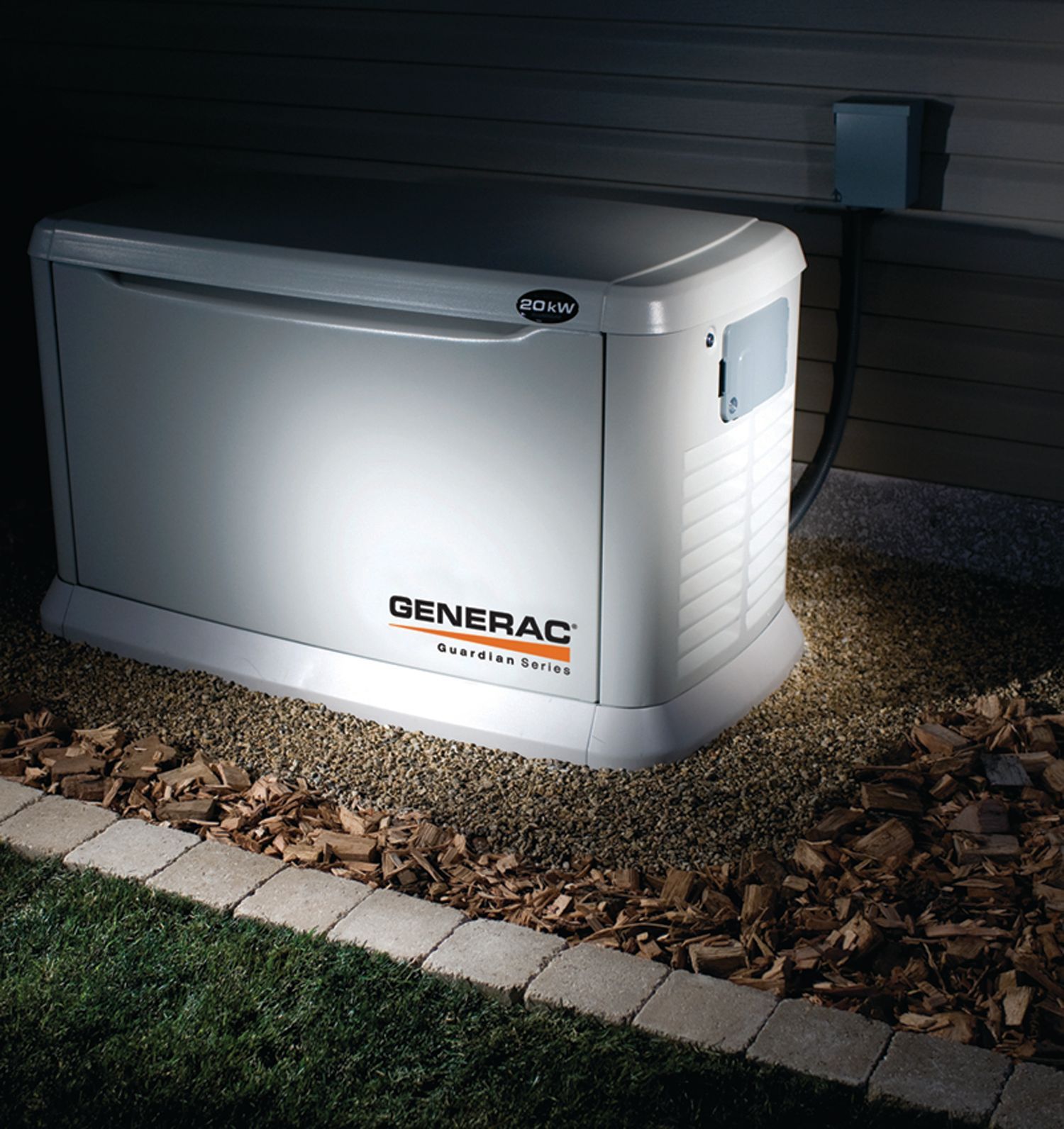
Top standby power manufacturers like Generac engineer sophisticated equipment with automated diagnostic controls, voltage regulators, and smart load-management modules. To protect homeowners from sloppy installations, leading brands maintain strict factory training programs and certify qualified electrical contractors to sell, install, and service their units. Hiring a factory-trained specialist gives you direct access to genuine replacement parts and extended manufacturer warranty coverage.
Partnering with certified technicians for your whole house generator ensures the crew understands the exact wiring diagrams and startup procedures for your specific model. Experienced installers know how to program weekly self-test cycles, configure mobile monitoring alerts, and verify fuel pressure levels before signing off on the job. Brand certification proves that your contractor stays up to date on modern generator technology rather than guessing their way through complex control boards.
Evaluating Accurate Home Electrical Load Calculations
One of the most common mistakes in standby power projects happens before a single wire is pulled: picking the wrong generator size. Buying a unit that is too small leaves you unable to run essential appliances like your furnace, well pump, kitchen range, and electric car charger simultaneously during an outage. Conversely, purchasing an oversized unit wastes money upfront and burns extra fuel unnecessarily during extended blackouts.
A thorough electrical contractor performs a detailed load calculation before recommending a whole house generator for your property. They inspect your existing electrical panel capacity, measure starting amperage requirements for heavy motors like heat pumps, and discuss which circuits matter most to your household. Accurate load sizing ensures your system handles peak household demand smoothly without overloading the alternator or tripping main breakers.
Reviewing Automatic Transfer Switch and Panel Upgrades
The automatic transfer switch acts as the brains of your standby power setup, constantly monitoring incoming utility voltage and switching your home over to back up power the moment grid electricity drops. Installing this switch seamlessly requires careful integration with your main service panel. In older homes with outdated or crowded breaker boxes, completing a safe backup power setup often goes hand-in-hand with upgrading the main electrical panel.
Skilled electricians evaluate your entire electrical distribution system when planning a whole house generator installation. They check for worn circuit breakers, corroded bus bars, and outdated wiring that could compromise safety under backup power loads. Handling any needed electrical panel upgrades at the same time creates a clean, organized, code-compliant setup that delivers reliable power to every room in your house.
Confirming Local Permitting and Utility Coordination
Installing a permanent backup power unit involves multiple municipal approvals, property setback rules, and utility company notifications. Local building departments enforce strict guidelines regarding how far a generator must sit from bedroom windows, air intakes, property lines, and combustible siding to prevent exhaust fumes from entering your home. Skipping permits or ignoring setback distances can trigger hefty fines and force you to relocate the concrete pad later.
Reputable electrical contractors handle the paperwork and permitting process for your whole house generator from start to finish. They coordinate site placement with local code officials, schedule required electrical inspections, and communicate with utility providers when temporary power disconnects are needed during transfer switch wiring. Having a team that knows local municipal rules keeps your project moving smoothly without frustrating bureaucratic delays.
Comparing Transparent Written Estimates and Warranties
Price matters on any major home upgrade, yet the lowest bid on paper rarely translates to the best value once work begins. Vague, one-line estimates often leave out essential costs like concrete mounting pads, trenching labor, sub-panel modifications, or permit fees, resulting in surprise charges halfway through the job. Clear, itemized quotes let you compare apples to apples before signing a contract.
Trustworthy installers provide upfront written estimates alongside solid labor and product warranties for your whole house generator. Look for contractors who stand behind their workmanship with a dedicated labor warranty in addition to multi-year manufacturer coverage on the unit itself. Transparent pricing and strong written guarantees give you confidence that your electrical team takes pride in lasting craftsmanship.
Asking About Ongoing Maintenance and Emergency Support
Even the most dependable standby power equipment needs routine care to stay ready for unexpected storms. Just like your family car, a generator engine requires periodic oil changes, fresh air and oil filters, spark plug inspections, and battery load tests so it fires up instantly after sitting idle for months. Choosing an installer who disappears after collecting final payment leaves you scrambling for service when an ice storm hits.
Selecting a full-service electrical contractor for your whole house generator gives you a long-term partner for routine maintenance and 24-hour emergency repairs. Knowing your installer offers scheduled tune-ups, diagnostic testing, and round-the-clock emergency electrical support ensures your system stays dependable year after year. Long-term service availability turns a one-time equipment purchase into lasting peace of mind for your household.
Investing in permanent backup power is one of the smartest ways to protect your home, keep critical appliances running, and maintain everyday comfort during severe weather outages. Taking time to check electrical licensing, factory certifications, accurate load sizing, panel compatibility, and ongoing maintenance support separates true electrical craftsmen from casual contractors.
When every wire, transfer switch, and circuit breaker is installed with precision, you never have to worry about spoiled groceries, frozen pipes, or sitting in the dark when utility lines go down. A reliable installation delivers quiet confidence every time storm clouds gather on the horizon. When you are ready to protect your home with professional expertise, upfront estimates, and dependable workmanship, contact Island Electric today to schedule your consultation for a
whole house generator.