May 4, 2026
In a world increasingly reliant on electrical devices, maintaining safe and efficient electrical wiring in the home is paramount. Outdated or faulty wiring can lead to several critical issues that impact both safety and energy efficiency. Regular electrical inspections are not merely preventative measures; they form an essential part of home maintenance, helping potential hazards get addressed early before they escalate into significant problems. House fires, electrocution, and malfunctioning appliances can often be traced back to neglected wiring issues, making it essential to pay attention to the signs that indicate a need for professional intervention. By prioritizing electrical safety and calling licensed electricians when warning signs appear, homeowners can protect their families, preserve their homes, and potentially save on energy costs. This article delves into six crucial signs that your home wiring may need attention, exploring both symptoms and solutions to help maintain a safer living environment.
1. Frequent Circuit Breaker Trips
Identifying the Issue
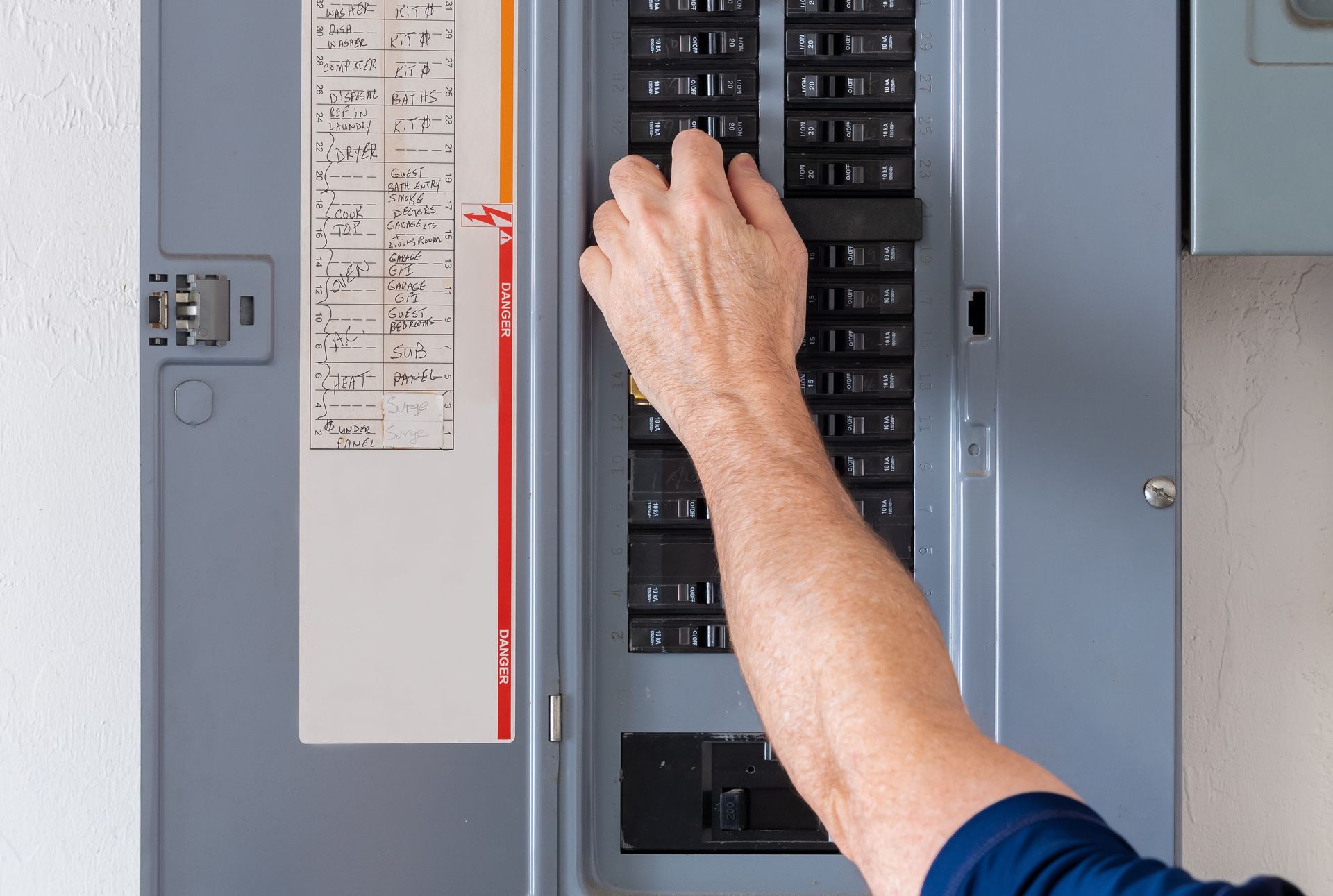
One of the most common signs that there may be an issue with your home wiring is the frequent tripping of circuit breakers. Circuit breakers are designed to protect an electrical circuit from damage caused by overload or short circuits by cutting off the electrical flow. However, if these breakers trip after a few appliance uses or routinely without much load, it indicates a lurking problem. Homeowners should consider this a red flag, as it not only disrupts daily activities but also suggests underlying problems that could be hazardous. Consistent tripping is not normal, and experienced electricians often treat it as a critical signal that your electrical system could be overloaded or compromised.
Potential Risks
Ignoring the frequent tripping of circuit breakers can lead to several potential hazards. Firstly, it increases the risk of electrical fires, which are often caused by the overheating of circuits. Additionally, persistent electrical overloads can damage home appliances and reduce their lifespan, leading to increased replacement costs. More concerning, however, is the potential for electrocution, as approximately 25% of all in-home electrocution accidents in the U.S. are related to electrical tools or machines, according to Fact Retriever. Therefore, addressing this issue promptly is vital for the safety of the household.
Temporary Solutions
While waiting for a professional evaluation, there are a few temporary steps homeowners can take to manage breaker trips. First, reduce the number of active devices on a single circuit to avoid overloading. This might involve distributing the use of high-powered appliances to less burdened circuits throughout the household. Also, regular inspection and switch flipping can help manage loads during high usage periods. These short-term measures can help mitigate immediate risks and reduce inconvenience. However, they should not be seen as long-term solutions to the problem.
Long-Term Solutions
For a permanent fix to frequent breaker trips, it is crucial to seek help from professional electricians. These professionals can accurately assess whether the issue is a simple overload, requires the installation of additional circuits, or involves more complicated wiring repairs. Upgrading your electrical panel or replacing obsolete circuitry could also be necessary steps. This professional evaluation helps identify underlying problems correctly and reduces the chance of further electrical hazards. Consequently, taking timely action results in improved safety and greater peace of mind for the homeowner.
2. Dimming or Flickering Lights
Recognizing Signs
Dimming or flickering lights, while occasionally overlooked, are notable indications of electrical abnormalities within a home. Such fluctuations might seem minor, but when recurrent, they point to potential issues beyond simple bulb dysfunctions. If dimming occurs each time a larger appliance is switched on, an overloaded circuit could be the issue. Persistent flickering, on the other hand, might indicate a more pervasive wiring issue or an outdated electrical system. Electricians may ask when the flickering happens, how often it occurs, and whether it affects one room or the entire home to narrow down the cause.
Possible Electrical Problems
There are several potential culprits behind dimming or flickering lights. Loose wiring connections within the electrical system are frequent offenders and can be hazardous if not rectified. Additionally, faulty circuit connections or aging wiring with deteriorating insulation may contribute to inconsistent power delivery. Over time, this can lead to significant energy inefficiencies and elevated safety risks. Determining the exact cause requires careful inspection by a professional who can assess the wiring integrity and overall electrical health of the home.
Impact on Appliances
Inconsistent electrical currents resulting from these lighting issues can lead to broader implications for household appliances. Voltage drops can stress and damage sensitive electronic components, shortening their lifespan and possibly leading to costly repairs or replacements. Moreover, fluctuating power levels can cause computers, televisions, and refrigerators to perform erratically or fail altogether. The cost of repairing or replacing these devices can quickly add up, making immediate attention to power fluctuations a financial consideration as much as a safety one. Addressing such electrical irregularities helps protect valuable electronics and appliances from undue wear and tear.
Effect on Energy Efficiency
Aside from appliance damage, dimming and flickering lights can also have a negative impact on a home's energy efficiency. Inadequate wiring and loose connections can lead to unnecessary energy waste, resulting in increased utility bills every month. Properly maintained electrical systems support optimal energy use, reducing overall power consumption and conserving resources. By addressing these inefficiencies, homeowners may also qualify for energy efficiency incentives or rebates. Ultimately, investing in sound electrical systems can offer economic and environmental benefits.
3. Unusual Odors From Outlets
Identifying Scents
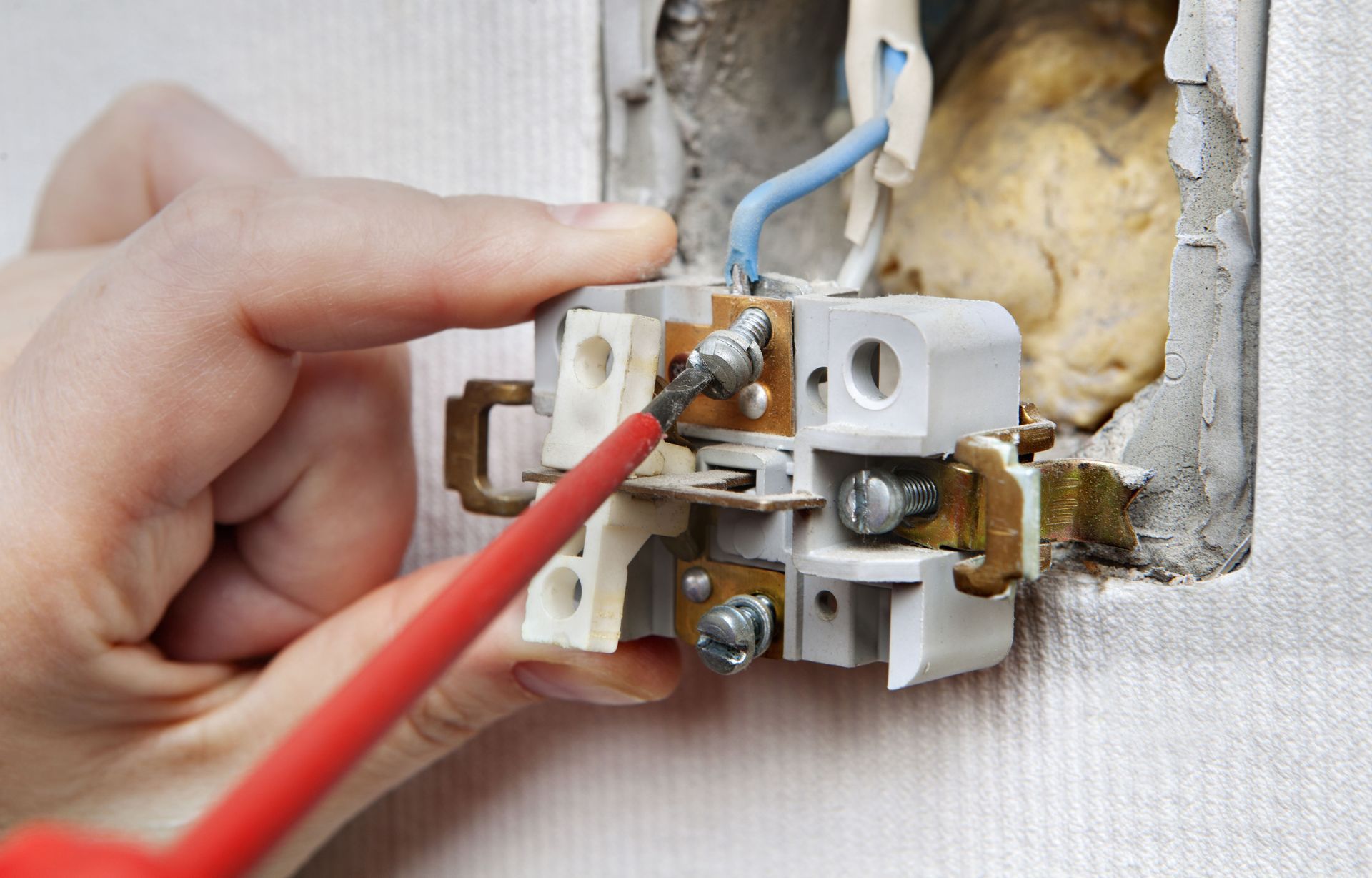
A burning or unusual smell emanating from electrical outlets is a serious warning sign of potential wiring issues. Such scents often indicate that the wires behind the outlet are overheating, which poses a substantial fire risk to the household. Identifying these odors quickly is crucial, as persistent smells could damage the wiring further and exacerbate the problem. Homeowners should be vigilant in recognizing any abnormal scents near electrical sockets, switches, or circuit breaker panels. Early detection and action can prevent more severe electrical failures and accidents.
Possible Fire Hazards
The presence of odd odors from outlets should not be underestimated; it is often a precursor to more severe fire hazards. Overheating within electrical systems can ignite nearby combustibles or cause the plastic casing of wires to melt, increasing the risk of house fires. Furthermore, this overheating can lead to arc faults that may result in electrical sparks, further exacerbating fire dangers. With roughly 50% of in-the-home electrocution accidents linked to power line contact, taking proactive steps is critical for household safety. Electricians often treat burning smells as urgent concerns because the source may be hidden behind walls or outlet covers.
Immediate Actions
Upon detecting unusual odors, immediate action is necessary to mitigate potential hazards. First and foremost, power to the affected area should be shut off at the circuit breaker to prevent further damage or escalation. Avoid using the affected outlet or device until a thorough inspection is conducted. Additionally, clear away any flammable materials around the area to reduce potential fire risks. While these measures can protect against immediate dangers, licensed electricians can inspect the outlet, surrounding wiring, and connected circuit to determine what needs to be repaired.
Recognizing the signs that indicate potential wiring issues in your home is crucial for maintaining a safe and efficient living space. Regular attention to circuit breakers, lighting fluctuations, unusual outlet odors, sparking connections, outdated wiring, and overheating outlets can prevent minor electrical issues from becoming significant hazards. Addressing these signs promptly with professional assistance not only improves your family's safety but also enhances your home's energy efficiency and value. By taking proactive steps and responding quickly to warning signs, homeowners can reduce risk, protect their property, and keep their electrical systems working more reliably over time. Contact Island Electric today to learn more.